Have you ever wished you could peek a few steps ahead to see the next big shift before it hits? Imagine knowing which investments are about to soar, what your customers will want next month, or how your favorite sports team will perform next weekend.
That’s exactly what AI-powered predictions are starting to deliver. No longer just science fiction, predictive AI is now part of how businesses grow, how fans follow games, and even how we make daily decisions. The crazy part? Most of this technology is already available to you, some of it completely free.
In this article, we’ll explore five areas where AI-powered predictions are already changing the game, and we’ll look at how you can take advantage of them right now.
Seeing Market Trends Before Everyone Else
Markets are noisy. Prices swing up and down, news headlines contradict each other, and no one ever seems to agree on what’s coming next. Predictive AI cuts through that noise.
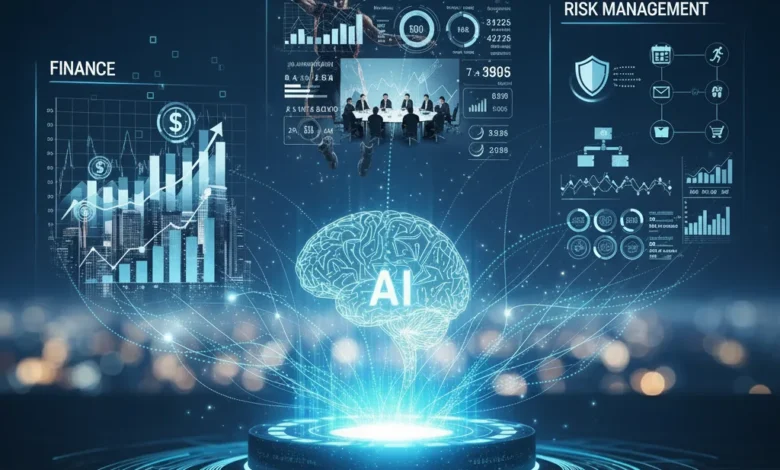
Here’s how it works: AI models are trained on huge sets of historical data, everything from price charts to breaking news to social media posts. Over time, they learn to detect patterns humans might miss. When those patterns appear again, the model flags them, warning you that a similar outcome might be on the way.
We saw this play out with AI-powered predictions in 2022 that highlighted surging interest in electric vehicles and renewable energy stocks. Investors who followed those signals early reaped serious gains before the general market caught on.
You don’t need a Bloomberg terminal or a hedge fund analyst to use these tools. Today, there are free AI forecasting platforms that let you feed in your own data and run basic predictions. Others let you simulate “what if” scenarios: What if inflation rises? What if a competitor launches a new product? These models give you a range of likely outcomes, helping you make smarter calls before the rest of the world catches up.
Understanding Customers Before They Tell You
Knowing what people want before they ask for it used to sound like mind-reading. Now it’s just smart use of predictive AI.
Picture this: you run a small e-commerce shop. You know last summer’s bestselling product, but you’re unsure what to stock next. Instead of guessing, you can use a predictive analytics tool that scans search trends, reviews, and even social posts. It tells you which items are gaining momentum and which ones might flop.
That’s the same approach big players use. Netflix doesn’t just recommend shows at random. It studies viewing patterns, compares them with similar users, and then suggests content you’re likely to binge next. Amazon does it with shopping. Spotify does it with music.
Even better, some of these insights are available to small businesses through AI predictive analytics examples and tools that don’t require a PhD to operate. Acting on these predictions means fewer wasted ad dollars, better-stocked shelves, and happier customers.
Changing the Way We Play and Watch Sports
Sports fans, this one is for you. AI is stepping onto the field, not as a player, but as a strategist.
Professional teams are now using predictive AI tools to make decisions during games. They analyze live data about player performance, fatigue, and match conditions to decide when to substitute, when to press, and when to play it safe.
And yes, fans are using this too. There’s a growing trend of AI prediction game apps where you can see what the algorithm thinks will happen before kickoff. Can AI predict a cricket match? Surprisingly, yes, and it’s more accurate than you might think. These systems crunch historical stats, pitch data, weather forecasts, and head-to-head records to assign probabilities.
This doesn’t just change sports betting. It changes how we watch. Imagine seeing a live win probability that updates every ball or every possession. It makes games more interactive, and for analysts and coaches, it means better strategies.
Managing Risk Before It Becomes a Problem
Life, business, and investing all carry risk. What predictive AI offers is a way to see some of those risks coming.
Banks use it to detect fraud by spotting unusual spending patterns before you even notice a problem. Healthcare providers use it to identify which patients are at risk of complications and intervene early. Logistics companies use it to predict when supply chain disruptions might hit and reroute shipments before delays pile up.
The best AI-powered predictions don’t just warn you; they tell you what action to take. Instead of saying, “There’s a 40% chance this will go wrong,” they give you steps to lower that risk. That might mean adjusting inventory, tightening security, or rebalancing a portfolio.
When you act early, the cost of fixing problems is almost always lower than cleaning up after something goes wrong. Predictive AI is essentially a prevention tool, and prevention is almost always cheaper.
Making Personal Life Easier
AI isn’t just for businesses or tech giants. You can use it to get more done, waste less time, and feel more in control.
Some calendar apps now use AI to figure out when you’re most productive and block off focus time automatically. Email tools use predictive algorithms to sort which messages you’ll likely open and which ones can wait. Fitness apps predict when you’re about to miss a workout streak and nudge you before it happens.
These are simple examples, but they add up. Instead of constantly reacting, you start living proactively. Your digital tools do the hard thinking in the background so you can stay focused on what matters.
Why This Matters Now
AI is not slowing down. In fact, experts say its influence is compounding every year. The sooner you get comfortable using predictive AI tools, the more natural it will feel to make data-driven decisions.
You don’t have to spend money to start experimenting. There are plenty of free AI-powered prediction options available, from stock forecasting demos to basic customer behavior analytics.
Start small. Test one tool on one problem. Maybe it’s figuring out the best time to post on social media, or maybe it’s using a simple forecast to plan your next big purchase. Once you see results, you’ll start to trust the process, and you’ll wonder how you ever made decisions without it.
FAQs
What is the AI-powered prediction model?
It’s a machine learning system that studies historical data, learns patterns, and then uses those patterns to forecast future outcomes. Think of it as a smart digital forecaster that improves every time it processes new information.
Is there an AI that can make predictions?
Yes, many. From free hobbyist tools to enterprise-level platforms, predictive AI is available everywhere. Some models focus on finance, some on sports, and others on weather or logistics.
What is the 30% rule for AI?
This is a rule of thumb suggesting that if AI can improve a process by at least 30%, it’s probably worth adopting. It’s a quick way to judge whether investing in automation or predictive analytics makes sense.
What are the predictions for AI?
Most experts expect AI to keep getting more accurate, faster, and more user-friendly. Expect it to become part of every major decision process, from city planning to personal health tracking.
Can AI predict a cricket match?
Yes, and increasingly well. By analyzing players’ past performances, pitch reports, weather data, and live stats, AI can offer probabilities that are often closer to the truth than human guesses. It’s not magic, just very good math.
Final Thoughts
We’re no longer asking whether AI can make predictions; we’re asking how soon we can act on them. Whether you’re an investor, a business owner, or just someone who loves staying ahead of the curve, the tools are out there and waiting for you to try.
Use a free AI forecasting platform this week. Test an AI prediction game just for fun. Look at AI predictive analytics examples for your industry and imagine what you could do with that insight.
The future isn’t waiting. With predictive AI, you don’t have to wait either.