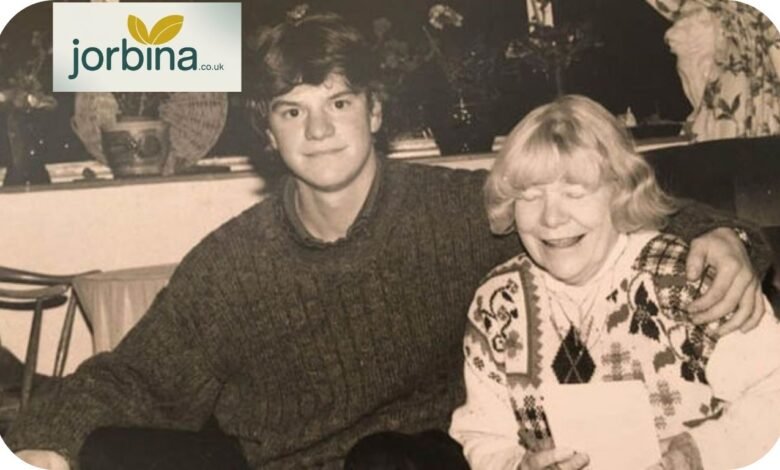
What do you picture when you hear “the Durrell family”? Maybe Gerald wandering Corfu with a scorpion in a matchbox. Maybe Louisa is sighing over her chaotic household. Or Lawrence scribbling away at a novel in a sunny villa. But one person is often left out of the conversation, Margaret Durrell, known as Margot. Her life was colorful, complicated, and quietly brave. It’s time to put her back at the center of the story.
Growing Up in a Restless Family
Margaret was born in 1919 in India, where her father worked for the British government. She was the third of four children; Lawrence, Leslie, and Gerald were her brothers. When their father died, Louisa packed up the family and moved them to England. Life there was gray and constricting.
Margot didn’t stay bored for long. She was sociable, a little rebellious, and eager for adventure. When Louisa decided to move them all to Corfu in 1935, Margot embraced the idea. That move would become one of the most famous relocations in literary history, thanks to Gerald’s later memoirs, but for Margot it was simply a chance to breathe and grow up in a freer world.
Corfu: A Place to Grow
Corfu was paradise compared to rainy England. The family rented a series of villas, each one more charming than the last. Margot swam daily, soaked up the sun, and mingled with locals. Gerald would later write about her disastrous beauty treatments, her habit of collecting friends, and her knack for turning family crises into comedy.
She was a teenager then, trying to find her place among three brothers with loud personalities. Corfu gave her the space to be playful and romantic. It was also where she met young men who caught her eye, something Louisa didn’t always approve of. Still, Margot had a strong spirit and often stood her ground.
War and Marriage
The carefree days on Corfu came to an end when World War II loomed. The Durrells left the island and scattered across England. During the war, Margot married Jack Breeze, a pilot with the Royal Air Force. The marriage did not last long, but it resulted in the birth of her son, one of the few Durrell grandchildren.
Life as a single mother in postwar Britain was difficult. Money was tight, opportunities were limited, and Margot had to be practical. She eventually settled in Bournemouth and ran a boarding house to support herself and her son. Guests remember her as warm and welcoming, with the same spark she had in her Corfu days.
Margot’s Role in the Family
While Lawrence pursued his writing career abroad, Leslie worked on farms, and Gerald traveled to collect animals for zoos, Margot kept the home fires burning. Her boarding house became a kind of headquarters for the family when they passed through England.
She never published books like Lawrence or Gerald, but her life was no less eventful. She had to rebuild after divorce, raise a child on her own, and keep her household running. That kind of resilience rarely makes it into history books, yet it shaped the family’s story just as much as Gerald’s adventures did.
The Brothers: Lawrence, Leslie, and Gerald
Margot’s brothers were a big part of her life, and understanding them helps put her own story in context.
Lawrence Durrell, the eldest, was already a serious writer when the family lived in Corfu. He would go on to write The Alexandria Quartet, which brought him literary fame. His relationship with Margot was warm, though they often lived far apart.
Leslie was the practical brother, more interested in hunting, mechanics, and running small farms than in books. Gerald’s memoirs portray him as gentle and reliable. He and Margot were close, partly because they were both practical in their own ways.
Gerald Durrell, of course, became the most famous of them all. His books turned their childhood into a worldwide phenomenon. Despite his fame, Gerald stayed close to Margot, visiting her often. She gave him a place to rest and write when he was not traveling.
Louisa Durrell: The Matriarch
Louisa Durrell was the force that held the family together. After Corfu, she returned to England and lived with her children at various times. The television series The Durrells suggested that Louisa might have had a late-in-life romance, but in reality she never remarried. Her focus was always on her children.
Margot’s relationship with her mother was sometimes stormy, as Gerald humorously describes, but there was deep love there. Margot stayed close to Louisa until Louisa’s death in 1964.
The TV Version of Margo
Daisy Waterstone’s portrayal of Margo in The Durrells gave a new generation a reason to love her. On screen, Margo is funny, impulsive, and full of life. Viewers noticed her weight gain in season 4, which led to speculation about whether she was pregnant in real life (she wasn’t). The show gave her story more space than Gerald’s books ever did.
This portrayal matters because it reminds us that Margot was more than just the comic relief. She had dreams, heartbreaks, and triumphs of her own. The TV series made her feel real, not just a character on the margins.
Why Her Life Matters
Margot’s life is worth revisiting because it shows what happened to the Durrell family after the laughter of Corfu faded. Her story is about grit, rebuilding after a failed marriage, finding work, and raising a son alone. It’s about staying connected to siblings spread across continents.
In a way, Margot is the bridge between the old Durrell family and the modern one. She kept their traditions alive, hosted gatherings, and made sure her son knew where he came from. Margaret Durrell—Wikipedia
The Durrell Legacy and Descendants
People often ask if there are still living Durrells. Yes, there are. Margot’s son had children, though they live private lives away from public attention. Lawrence had a daughter named Sappho, who died tragically in the 1980s. Gerald and his wife did not have children, but his work lives on through the Durrell Wildlife Conservation Trust in Jersey.
Margot’s quiet family life might not make headlines, but it means the Durrell story continues in a very real way.
Whatever Happened to Margo? by Margaret Durrell
This video offers an audiobook preview of Margaret Durrell’s own account, giving viewers a glimpse into her personal experiences and perspectives.
You can watch it here:
FAQs
What did Margaret Durrell die of?
She died in 2007, reportedly of natural causes, after a long and full life.
Who did Margaret Durrell marry?
She married RAF pilot Jack Breeze during World War II. The marriage ended in divorce, but they had a son together.
Whatever happened to Margot?
She moved to Bournemouth, opened a boarding house, and created a warm home where her family could always visit.
Are there any descendants of the Durrells?
Yes. Margot’s son had children. Lawrence’s line ended with his daughter Sappho. Gerald left no children but created a legacy of conservation.
What happened to Louisa Durrell after Corfu?
She moved back to England during the war, stayed close to her children, and never remarried.
A Life Worth Remembering
Margaret Durrell may not have written books or traveled the world like her brothers, but her life was extraordinary in its own way. She lived through war, love, divorce, and single parenthood, yet she stayed at the heart of one of the most remarkable families of the twentieth century.
Her story reminds us that family history isn’t just about the loudest voices. Sometimes it’s about the sister who quietly keeps everyone connected. And that, more than anything, is why Margaret Durrell’s story deserves to be told and remembered now.