The quality of sanding is central to the outcome of restoring or maintaining a wooden floor. High-quality sanding goes beyond the mere act of passing a machine over the surface; it is an artful, skilled, and precise process that sets the base for perfect finishing and lifetime durability. At Alpha Floor Sanding we understand that today’s homeowners increasingly recognise the value of professional sanding services, especially as modern techniques and advanced equipment take surface preparation to a whole new level. High-quality sanding creates what professionals call the “Smooth Surface Standard,” a benchmark which will ensure your floors look stunning, feel even underfoot, and are resilient for many years to come.
The Art and Precision Behind Quality Sanding
Wood floors take a beating from daily living over the years. Foot traffic, heavy furniture, changes in humidity, and spills make scratch and dent marks. The floors scuff and develop uneven patches, which, after long periods of time, will start to affect both appearance and longevity. While refinishing brings new life into a floor, it is very important to first sand, as this provides the right bonding of the refinishing products for optimal performance. High-quality sanding requires attention to detail, the right equipment, and professional technique. Together, these elements create a smooth, clean surface-one that sets the stage for exceptional results.
The Importance of Consistent Surface Smoothness
The quality in sanding is the ability of the floor to be uniformly smooth throughout. Poor sanding, with unevenness, skipped patches, or visible marks, compromises the final finish by reducing the ability of coatings to adhere properly. A smooth floor will permit the even absorption of stain or sealant and bring out the natural grain in the wood. A smooth floor will also result in one that feels likewise uniform, bump-free, or without rough patches when walked upon. The process requires a structured approach to smoothening that gradually moves through sanding stages using different grit levels. This smooths out old finishes, removes deep scratches, and flattens out irregularities for a pristine surface ready for finishing.
Advanced Equipment and Dust-Free Technology
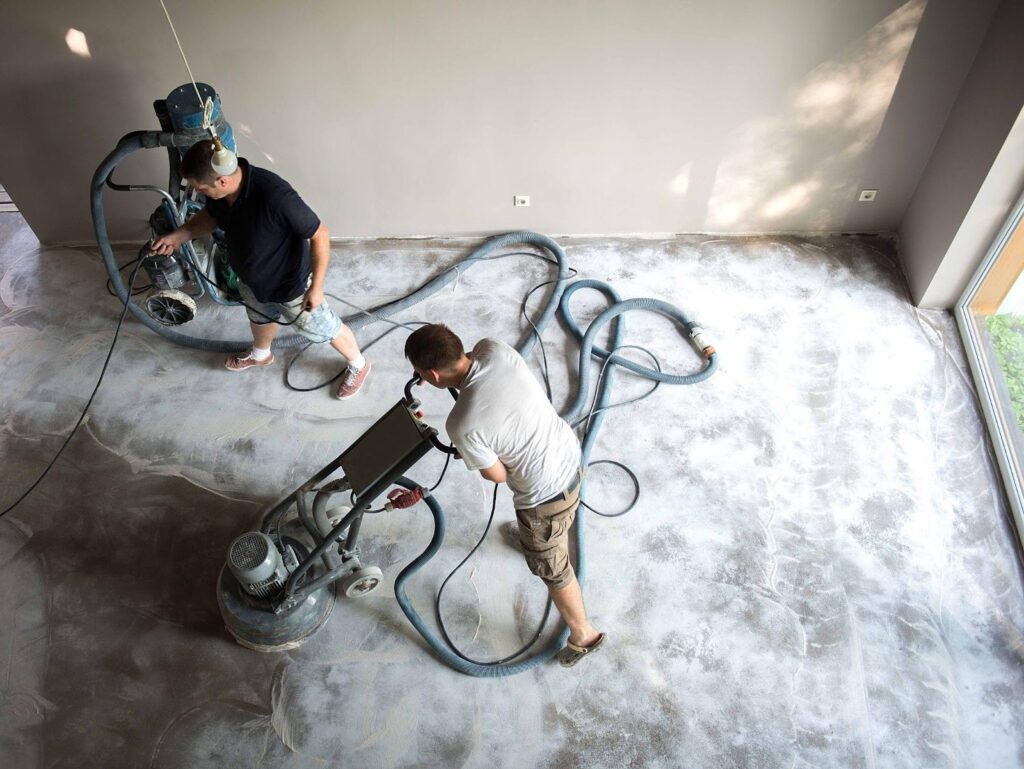
Another essential point of difference in high-quality sanding is indeed modern equipment. In this regard, traditional sanding methods involve a lot of dust, leaving them on the surface to later impact the air quality and interfere with the finishing process. Today’s best craftsmen are using dust-free systems with powerful extraction units capable of capturing fine particles right at the point of origin. The very effect of this involves a clean, safe-to-work environment. This prevents dust from settling back onto the freshly sanded wood.
Advanced sanding machines also provide greater precision and control. Drum sanders, belt sanders, orbital sanders, and edging machines each play a specific role in achieving optimum smoothness. When used properly, these tools ensure consistent pressure and even sanding of the entire floor, including areas difficult to reach. It is this level of precision that is crucial for meeting the Smooth Surface Standard, as it ensures that the result will be wall-to-wall consistency.
Improving Adhesion and Durability of Finish
No matter how fine a finish is, it depends on good sanding to be truly effective. Oils, lacquers, stains, and varnishes all need to bond to the wood uniformly for long-lasting protection. High-quality sanding cleans the surface, makes it smooth, and free of contaminants so that finishes can deeply penetrate the pores of the wood. This provides better adhesion, durability, and brilliance in its final appearance.
A well-sanded floor also helps finishes resist daily wear, including scratches, moisture, and foot traffic. Proper sanding contributes a great deal to the long-term performance of the floor by eliminating uneven areas where the finish might pool or dry out inconsistently. That is why sanding forms the backbone of a durable and beautiful flooring system.
Revealing the Natural Beauty of the Wood
One of the most satisfying things about good sanding is how it brings out the inherent beauty of the wood. Years of wear and dirt, along with old finishes, can obscure grain patterns and colour variations. Sanding removes these layers to expose raw wood underneath, revealing its character. If a surface is smooth and well-sanded, a finish can illuminate the grain with great detail, amplifying the warmth and sophistication of the space. A smooth, well-prepared surface not only looks beautiful immediately after sanding, but it also ensures that the finished result appears richer and more refined. This is a major advantage of professional sanding and one that homeowners instantly notice.
The Smooth Surface Standard in Modern Flooring
High-quality sanding is more than preparation; it’s the one decisive step that makes all the difference in the outcome of a flooring restoration project. The Smooth Surface Standard represents the best level of precision, care, and skill required to create a floor that is not only beautiful to the eye but exceptionally durable. From advanced machinery with dust-free systems to skilled professionals, every component works in harmony to create perfection.
For those homeowners interested in rejuvenating the beauty of their wood floors or keeping them ahead for the coming years, expert sanding becomes an essential choice. From improving finish performance to increasing the life span and revealing the natural beauty behind years of wear, quality sanding has proven to be the modern-day key for achieving a glossy, enduring, and magnificent wooden floor.