Keeping a construction site manageable is as much about logistics as it is about labor and materials. Debris accumulates quickly during demolition, framing, and finishing phases, and without a clear plan for disposal, even well-run projects can become cluttered and inefficient. Roll-off dumpsters are one of the most common tools contractors use to maintain order on active job sites, particularly where timelines are tight and space is limited.
This article looks at how contractors typically use roll-off dumpsters to support cleaner, more organized worksites.
Centralizing Waste Disposal on Active Sites
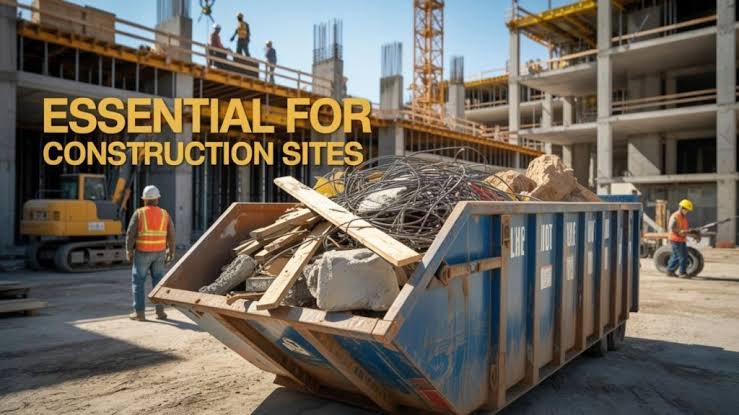
One of the primary advantages of roll-off dumpsters is centralized containment. Rather than allowing debris to collect in multiple staging areas, contractors designate a single disposal point that crews can access throughout the day. This reduces confusion about where waste belongs and minimizes the need for temporary piles that interfere with movement.
Centralized disposal also helps supervisors monitor site conditions more easily, ensuring debris does not spill into walkways or work zones.
Aligning Dumpster Use with Project Phases
Contractors often plan dumpster use around the most debris-intensive phases of a project. Demolition and teardown typically require the most capacity, while later stages such as installation or finishing generate lighter, more intermittent waste.
By timing delivery and removal to coincide with these phases, contractors avoid having containers on-site longer than necessary while still ensuring adequate capacity during peak activity.
Placement to Support Workflow
Placement plays a key role in keeping sites manageable. Dumpsters are usually positioned to minimize carrying distance from work areas without blocking access for equipment, deliveries, or emergency pathways. On tighter sites, even small placement adjustments can significantly improve efficiency.
Thoughtful placement reduces handling time and helps crews maintain momentum throughout the workday.
Managing Weight and Material Mix
Construction debris varies widely in density. Drywall, roofing materials, masonry, and fixtures can reach weight limits quickly, even if a container does not appear full. Contractors manage this by distributing materials evenly and being mindful of what is loaded together.
This awareness helps prevent overfilled containers and avoids delays when pickups are scheduled.
Supporting Safety and Site Cleanliness
A clean site is easier to manage and safer to work on. Roll-off dumpsters help keep sharp materials, loose debris, and tripping hazards contained. Clear pathways improve movement between trades and reduce the likelihood of accidents or slowdowns.
Maintaining organized waste handling also reflects positively during inspections, walkthroughs, and client visits.
Coordinating with Service Providers
Effective dumpster use depends on reliable coordination. Contractors communicate schedule changes, access needs, and pickup timing as projects evolve. This coordination ensures containers are removed promptly once full or when a project phase concludes.
During planning, contractors may work with providers such as Temporary Dumpster alongside local haulers. In most cases, the emphasis is on scheduling reliability and logistical fit rather than long-term service arrangements.
Keeping Multiple Sites Manageable
For contractors managing more than one project at a time, consistent dumpster practices help standardize site organization. Using similar placement strategies and disposal routines across sites makes it easier to maintain control, even when crews rotate between jobs.
This consistency supports smoother operations and reduces the need for constant adjustment.
Roll-off dumpsters are a practical tool contractors use to keep construction sites manageable amid changing conditions and tight schedules. By centralizing waste, aligning disposal with project phases, and coordinating placement and removal, contractors can prevent debris from becoming a source of disruption.
When integrated into everyday jobsite practices, roll-off dumpsters help maintain order, support safety, and allow crews to focus on building rather than managing clutter.