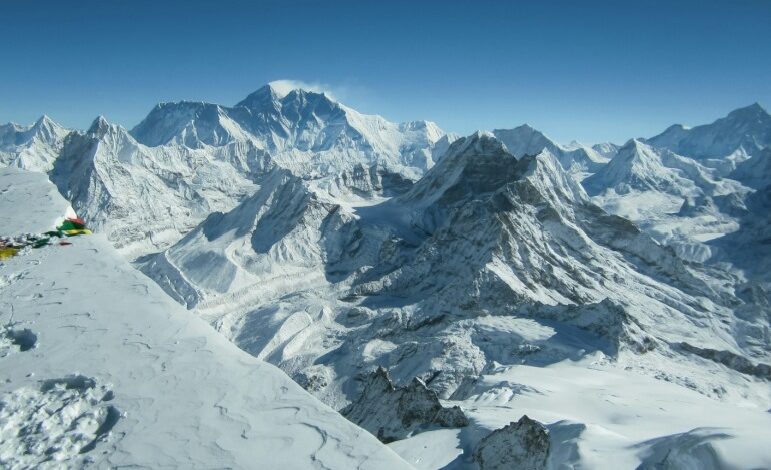
The answer to this is yes, Mera Peak is regarded as one of the safer trekking peaks in Nepal but one that must only be undertaken with appropriate preparation, experienced guides, proper acclimatization, and using the appropriate equipment. The technical level is low and the slopes are mild. It does not have any challenging rock formations or very steep uphikes. The high altitude is however the greatest challenge and people respond to it differently.
The majority of the accidents or issues with Mera Peak are caused by either altitude sickness, fatigue, or bad weather. They can be handled by using an organized itinerary and the assistance of a professional climbing team. Under the right safety protocols, the Mera Peak is a safe and pleasant experience.
The Biggest Challenge, altitude on Mera Peak
The primary risk of any Mera Peak is the altitude. The mountain top is more than six thousand meters above sea level and the air is so thin and oxygen concentration becomes very low. Even specialists in trekking feel the change in breathing and energy.
The expedition typically involves protracted hiking days, slow ascension, and chilly climate. Due to this reason, acclimatization is highly essential. Mera Peak is not meant to be hurried. Individuals that hike too fast usually experience altitude sickness.
Most important altitude safety points are:
- Allow sufficient acclimatization days.
- Walk slowly and steadily
- Drink plenty of water
- Follow your guide in case of any symptoms
You will manage altitude problems by going slow and letting the body adapt.
Physical Challenges on the Way to Mera Peak
Mera Peak is technically easy but physically challenging. It takes many days to walk to the base camp and the higher up you climb the colder and the windier it is. The glacier hike involves stamina, good leg strength, and concentration, as you walk on snow and ice with potential hidden crevasses, managed safely by your rope team and guide.
Summit day is typically initiated early in the morning before the sun rises and may take eight to ten hours. The climb is not as easy as ordinary trekking as it is intensified by the cold weather and the thin air. Nevertheless, a majority of climbers can successfully complete the climb with the right attitude and simple training on fitness.
Mera Peak training does not require extreme training. Basic training, such as walking with a backpack, uphill hiking, and strengthening your leg muscles is normally sufficient. Regular exercise will keep your body strong on the climb.
Technical Difficulty of Mera Peak
The low technical requirement is one of the reasons why Mera Peak climbing is regarded as safe. The ascent is easy snow walking where crampons and ice axe are used. No technical rock climbs or vertical ice walls. The incline is smooth throughout the majority of the climb.
You will have a rope walk in order of protection. Your leader shows the path and makes sure that you take the right path. Stability is achieved using basic mountaineering equipment and not advanced climbing techniques.
This makes Mera Peak an ideal initiator to high altitude mountaineering. You are taught how to utilize crampons, snow walking, and safety on a rope team, all supervised by professional guides.
Importance of Professional Guides
Guides have a significant role to play in ensuring you are safe on Mera Peak. They are aware of weather, trail conditions, glacier changes, and altitude-related risks. They lead the team on the rope, select safe times to climb, and control your speed.
Advanced guides also observe the symptoms of altitude sickness, dehydration, or exhaustion. They may decide on significant issues like taking a rest break, slowing down, or even turning back in case it is necessary.
It should never be advisable to climb without a professional guide. Mera Peak is not a very technical one, however, it is a high mountain and conditions can change at any moment. By using an experienced guide, you would be sure that you are on the right track, all the risks are addressed correctly, and you will also feel secure when climbing.
Weather Conditions at Mera Peak
Another critical aspect of the climb safety is weather. The more you climb the colder and windier. Freezing temperatures, snowstorms and strong winds may come in a short period of time. This makes timing the climb very important.
Spring and autumn are the most suitable seasons for Mera Peak. The weather is generally more stable, with less rain and clearer skies, although it can still be cold and windy at higher altitudes. During winter it is extremely cold and in summer it is cloudy and snow is soft. Majority of climbers prefer the safest seasons to reduce risks.
Even in the best seasons, mountain weather can change quickly, so forecasts are only a guide, not a guarantee. Your guide examines forecasts on a daily basis and makes the decision when it is safe to continue the passage. The conditions are not safe therefore the climb will be postponed or scheduled. Speed should never precede safety.
Acclimatization Schedule and Its importance
The secret of a safe climb of Mera Peak is a gradual and gradual acclimatization plan. It takes time to get used to altitude. Most itineraries have additional days in such destinations as Khare or Tangnag. These extra nights contribute towards minimizing the chances of altitude sickness.
You take walks to higher points of view during the acclimatization days and sleep back at a lower level. The process assists your body to make an additional number of red blood cells and increase your ability to tolerate thin air.
It can be unsafe to skip acclimatization or hurry up the climb. Even powerful athletes require sufficient time to acclimatize.
Safety Equipment on Mera Peak
Basic mountaineering equipments are necessary to climb Mera Peak. These are more of stability and safety tools than advanced climbing tools.
Essential equipment includes
- Crampons
- Ice axe
- Climbing harness
- Ropes
- Helmet
- Warm insulated boots
Other safety tools, including anchors, carabineers, and emergency equipment, will be carried by your guide. Quality equipment makes the journey easier and safer.
Health and Hydration on the Climb
It is very essential to remain healthy in the trail. Long walking days, high altitude and cold temperatures can be of an influence on your body. Fluids help to make you feel stronger and lessen the symptoms of the altitude. Hot meals provide strength and will restore you.
Nutrition and consuming warm fluids can significantly increase your performance. Guides remind you to drink frequently, as well as make sure that what you eat is balanced. Most climbers leave out the idea that they should drink water during cold weather, and this result into dehydration. An easy safety measure is to be well hydrated.
Mental Preparedness and Positive Mindset
The climbing of Mera Peak is not pure physical. It takes time, will and optimism. The length of days, the skinny air and cold weather can test your faith. A calm and concentrated mind will assist you to keep on at a steady rate.
The mental strength is needed, more on the summit day when there is so much time when you walk in the cold air. Concentrating on positive thoughts, slowing down the breathing rate, and taking slow steps will make you go safely.
Is the Mera Peak Beginner- friendly?
Yes, lots of first-timers reach Mera Peak annually. It is regarded as one of the easiest high altitude peaks. You are not required to be a highly skilled climber, however, you need to be in good physical shape, patient, and be able to follow your guide.
Newcomers must select a more extended itinerary containing sufficient acclimatization days. The surest method of arriving at the summit is by taking the slow method.
Final Thoughts
Mera Peak can be climbed with proper preparation, adequate acclimatization, capable guides and appropriate weather. The road is not very challenging, and the slopes are not steep. Altitude, long walking days and cold weather are the major problems.
Mera Peak expedition is a pleasant and safe experience that can be achieved with good planning, professional assistance and good attitude by many climbers. It is an ideal beginning to the Himalayan mountaineering and a wonderful way to enjoy the excitement of making it to a high peak.
The climbing experience teaches the value of patience, persistence and appreciation of mountains. If properly executed, it is a memorable experience and a profound sense of accomplishment.