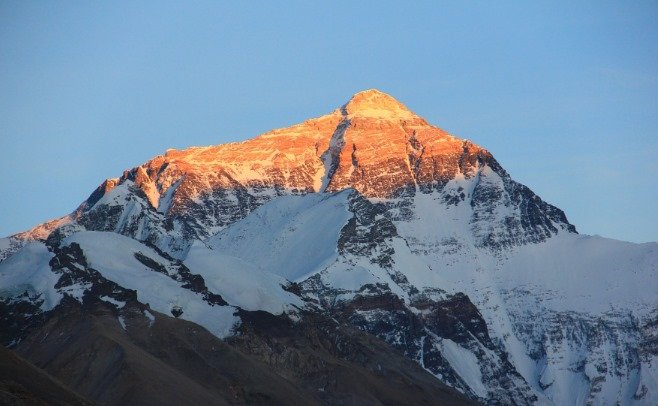
The weather is one of the most critical things that you need to know when you are planning your Everest Base Camp trek. The path is made of one warm lower valley to another cold high mountain, so the weather is apt to change very fast. Every month is another experience. There are months when the skies are clear and stable and there are months when clouds, snow, or rain occur. Knowing what to anticipate will enable you to be ready and make right decisions regarding when to make such a journey.
The Everest region has four main seasons. Spring, monsoon, autumn and winter. Each one affects temperature, visibility, flight conditions, and trekking comfort. This guide explains the Everest Base Camp weather month by month in simple and polite language so you can plan your trek confidently.
January Weather Cold but Clear
January is one of the coldest months in the Everest region. Temperatures drop far below freezing at night, especially in places like Dingboche, Lobuche, and Gorakshep. Days are cold but the air is clean and views are very clear.
It is a good month to do Everest Base Camp trek. Trekkers who like the quietness, empty paths and powerful winter scenery. The sky is frequently blue, the mountains are bright and sharp. But it is so cold, and you should go safe trekking with warm clothes. Some tea houses may remain closed because of winter conditions.
January is possible, but it is recommended for trekkers who are comfortable with winter travel.
February Weather Cold with More Sunshine
February is still cold, but the days start becoming a little warmer. The sky remains mostly clear, and the trails are still quiet. Snow may or may not cover some parts of the trail depending on the year, but the conditions are usually stable.
This month gives beautiful photography conditions. Sunlight is soft, and mornings look magical. Evenings are still very cold, so you need warm clothes.
February is a quiet month to the experienced trekkers who desire to see clearly and experience a serene environment.
March Weather Start of Spring
March marks the beginning of spring. Temperatures rise slowly, and the trail becomes more lively. The forests around Namche and Tengboche start to show new colours. Days are warmer, but nights remain cold at high altitude.
This month is the start of the popular trekking season. Weather becomes more stable, and visibility improves. It is a good time for beginners because the trail conditions are easier and the cold is milder than winter.
April Weather One of the Best Months
April is one of the most popular months for the Everest Base Camp trek. The weather is stable, skies are clear, and temperatures are comfortable during the day. Rhododendron forests bloom in lower regions, adding bright colours to the trail.
Mountains look beautiful in April because the air is clean and the sunlight is warm. It is also a great month for Everest climbing teams, so Base Camp becomes lively.
This month offers a perfect balance of clear weather and comfortable trekking conditions.
May Weather Warm and Beautiful
May is the last full month of spring. The weather becomes warmer, and the trail feels pleasant. Mornings are clear, while afternoons sometimes bring clouds. The mountains still look wonderful, and visibility is good.
Some days may feel slightly hot in lower sections, but the higher region remains cool. This month is also suitable for trekkers who prefer warm conditions instead of cold.
June Weather Start of Monsoon
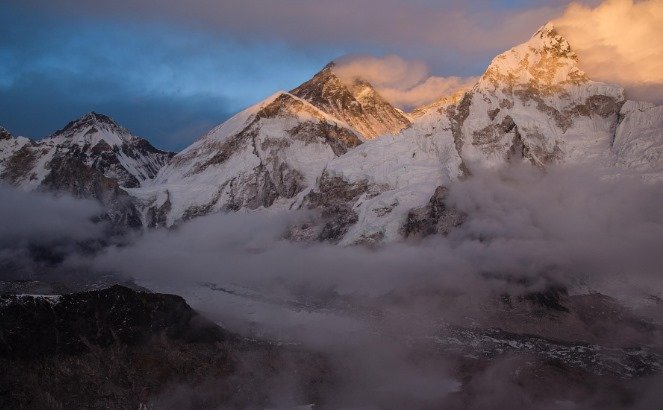
June marks the beginning of monsoon season. Rain starts in the lower areas, and clouds may reduce visibility. Lukla flights can be delayed due to the weather conditions. The path is silent, as not so many trekkers go this month.
Although the amount of rainfall is less with the increase in altitude, the lower parts may be muddy and wet.
Even though rainfall decreases as altitude increases, the lower sections can become muddy and slippery. Views are not always clear, but mornings sometimes offer beautiful scenery before the clouds rise.
June is possible for trekkers who enjoy green landscapes and quiet trails, but not ideal for mountain views.
July Weather Wet and Cloudy
July is the peak of monsoon. Heavy rain, clouds, and mist are common in the lower parts of the Everest Base Camp trek trail. The path may feel slippery, and leeches may appear in the forest areas below Namche.
Flights are often delayed or cancelled, which can affect your schedule. Views are limited because of clouds.
This month is not recommended unless you enjoy monsoon travel and do not mind unpredictable weather.
August Weather End of Monsoon
August is still rainy, but toward the end of the month the sky starts to clear slowly. Trails remain wet in the lower areas, but rainfall becomes much lighter above Dingboche, even though clouds still remain. Clouds move in and out quickly, giving occasional views of mountains.
This month is better than July but still part of monsoon season. Most trekkers wait until September for better weather.
September Weather Fresh and Clear
September marks the start of autumn. Rain decreases, skies clear, and the air becomes fresh. The mountains look bright after being washed clean by monsoon rains. Days are warm, and nights are cool.
This month is a great time for trekking because the weather becomes stable again. Views of Everest, Ama Dablam, and Lhotse are wonderful. Trekkers enjoy both good visibility and mild temperatures.
September is ideal for both beginners and experienced trekkers.
October Weather Best Month of the Year
October is considered the best month for the Everest Base Camp trek. The weather is stable, skies are extremely clear, and the temperature is comfortable for walking. The views of mountains are excellent from every angle.
The trail becomes busy because many trekkers choose October for the best trekking conditions. The cold has not yet reached winter level, so the days feel pleasant.
If you want the safest and most stable weather, October is the perfect month.
November Weather Cool and Clear
November is another beautiful month. The sky stays blue, the air is clear, and the mountains look sharp. Temperatures begin to drop, especially at night, but the days are still good for walking.
Trekkers enjoy quiet mornings, peaceful sunsets, and picture perfect views. This month feels like autumn but with cooler air.
November is perfect for trekkers who enjoy fresh weather and clear views without extreme cold.
December Weather Cold but Peaceful
December brings the early winter feel. Days are cold and nights are very cold at high altitude. But the skies remain clear, giving beautiful winter views.
The trail becomes quiet, and the mountains shine brightly in winter sunlight. Trekkers must carry warm clothing, but the experience is peaceful.
December is suitable for those who enjoy cold weather and want empty trails.
Temperature Overview by Altitude
Here are the only important bullet points to understand temperature changes:
Temperature pattern
- lower areas are warm
- mid areas are cool
- high altitude is always cold
Even in the warmest months, nights in Gorakshep, Lobuche, and Dingboche remain cold because the altitude is above four thousand meters.
Which Month Is Best for the Everest Base Camp Trek
The best months are April, October, November, March, and May. These months offer stable weather, clear views, and comfortable trekking conditions. Both spring and autumn give excellent visibility and safe flights.
Trekkers who prefer warm days and blooming forests choose spring.
Trekkers who prefer crystal clear skies choose autumn.
Both seasons offer the best chance of enjoying the full beauty of the Everest region.
How Weather Affects Your Trekking Experience
Weather influences how you walk, how you sleep, and how you enjoy the views. Clear weather means amazing scenery, smooth flights, and easy walking. Cloudy weather may hide mountains. Rain makes trails slippery. Snow brings cold weather but with magical winter scenes.
Selecting the appropriate month will ensure that you have a good time during the trek.
Final Thoughts
The Everest Base Camp weather by month changes the entire trekking experience. Some months bring warm days and clear skies, while others bring clouds, rain, or heavy winter cold. When you understand each month clearly, you can choose the time that matches your comfort level, schedule, and travel style.
Spring and autumn offer the best overall conditions. Winter gives peace and beauty. Monsoon brings green landscapes but less visibility. Every season has its charm, but the choice depends on what you want most from your Everest journey.