The popularity of rooftop solar installations for commercial and industrial use is growing. Along with this growth, safety concerns for businesses and property owners increase. Of the many risks solar energy systems pose, the fire hazard is critical. The development of rapid shutdown device (RSD) technology has mitigated risk of electrical fires and allowed solar installations to meet compliance safety regulations. B2B rapid shutdown device customers should know how quickly these devices and solar combiner boxes work together to help fire safety compliance.
Rooftop Solar Installations and Fire Hazards
Rooftop solar systems are designed with multiple interlinked solar panels, inverters, and other electrical parts that convert sunlight into electricity, making the system usable. These systems, while generally safe, are still potential fire risks because of the electrical system. Fire hazard risk may come from faulty wiring, damaged solar panels, inverters overheating, or other malfunctions.
The risk posed by fires to business operations on commercial rooftops and consequently, the finances of the business are much higher because of the value of the property and the risks posed to the people within the property. It is because of these risks that regulators in America, including the NEC, require code-compliant safety measures to include rapid shutdown devices in commercial solar systems.
Emergency shutdown devices specifically designed to eliminate the risk of solar electrical systems in emergencies offer valuable function to the commercial and safe provision of solar systems to clients. This made the technology desirable to solar safety system manufacturers and system integrators.
Rapid shutdown devices perform automatic emergency circuit opening to mitigate risks that allow solar systems to operate. In contrast to older systems that leave the rooftop solar powered systems on, RSDs powered off within a set period and deactivate control systems to eliminate the risk of solar energizing systems.
They work alongside module-level electronics or string-level controls. As module-level RSDs work with individual solar panels, they allow more exact control and quicker shutdowns. In contrast, string-level devices control the energy flow and provide safeguards at the string or array level, serving larger installations.
B2B buyers must focus on the rapid shutdown devices’ technical specifications. For buyers, selecting solar equipment from trusted manufacturers will make sure that the equipment is compliant with industry standards, which will in turn mitigate risk and support the installation’s safety and reliability.
The Role of Solar Combiner Boxes in Fire Safety
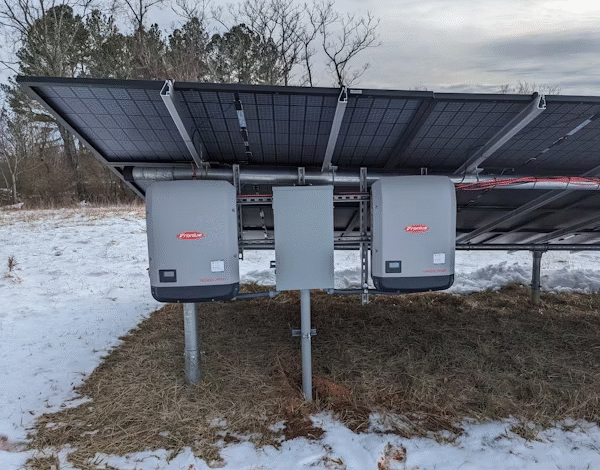
Like the solar combiner boxes, which contributes to the safety and efficiency of rooftop solar installations, these items provide additional value. Solar combiner boxes function by consolidating the output of multiple solar panel strings into one feed to the inverter, which simplifies wiring.
Combined with rapid shutdown devices, solar combiner boxes improve fire safety by isolating problem areas in the array. The RSD will isolate individual strings in an emergency, while the combiner box rests secure that the rest of the system is stable and controlled.
Choosing high-quality combiner boxes from trusted solar equipment manufacturers also reduces maintenance concerns and aides in the integration of the system. Long-term system safety and electrical safety compliance is provided through the durable construction and surge protection with clear and concise labeling.
Compliance and Regulatory Benefits
Fire safety regulations regarding solar systems have advanced tremendously in the last couple of years, most notably in the commercial and industrial sectors. NEC 2017 and the following updates introduced strict measures regarding rapid shutdown capabilities which have shown the most attention on occupant and firefighter safety.
Integrating rapid shutdown devices is an easy measure to take to ensure compliance. Many systems now enjoy the benefits of lower insurance premiums and greater dependability in the market. This gives B2B companies competitive advantage in bidding large scale solar projects.
Solar equipment manufacturers are key players in this regard. They develop, design and supply equipment that allows system integrators to provide customer systems that are safer and more reliable. The equipment that follows certification is guaranteed to provide inline rapid shutdown systems functionality.
Advantages in Operations and Maintenance
Apart from meeting standards, the ability to quickly shut down a system gives you the chance to cut costs and reduce downtime. Using an RSD is a safe way to maintain components of a rooftop solar system without deactivating the entire system, and you can also perform emergency actions without total system deactivation.
RSDs and well designed solar combiners can be brought together to monitor solar systems and perform automatic fault detection. Businesses will be able to quickly troubleshoot and replace faulty components of a system to stop small failures from becoming fire threats.
Integrated offerings combining RSDs and smart combiner boxes and other monitoring systems are becoming common from solar equipment manufacturers. This trend streamlines system control, decreases the effort needed to perform maintenance, and promotes a safe operation in the future.
Selecting the Best Solar Equipment Manufacturers
For B2B, the right solar equipment manufacturers is an important consideration. Good designers of solar systems ensure protective RSDs and quality combiner boxes, and also provide system certifications, ongoing support, instructional materials, and guarantees to streamline safe and effective rooftop solar system installations.
To choose a supplier, the following points should be reviewed:
- Compliance Certifications: Ensure conformity to NEC, UL, IEC and other applicable standards.
- Integration Capabilities: RSDs should be able to integrate with the inverter, combiner box, and other monitoring systems seamlessly.
- Durability and Quality: Select gear intended for year-round tough conditions on rooftops.
- Technical Support: Evaluate vendor help for setup, problem-solving, and guidance.
- Innovation and Scalability: Choose suppliers focused on next-gen tech with expansion capabilities for subsequent system growth.
Tackling the above helps eliminate fire risks, improve system upkeep, and add value to rooftop solar investments.
Conclusion
Rapid shutdown device technology is no longer an optional feature—it is an essential safety component for rooftop solar installations. The RSDs mitigate potential fire risks by swiftly reducing voltage, which helps protect property and people, including first responders, during emergencies. Paired with strong solar combiner boxes, these systems improve safety and operational performance.
For B2B operators and project developers, working with solar equipment producers helps ensure access to compliant, trusted, and sophisticated options. Solar rapid shutdown technology integration is necessary to safeguard investments, ensure regulatory compliance, and achieve operational efficiency in the future.