Keeping your shower leak-proof is one of the simplest yet most impactful ways to protect your bathroom from mold, damp patches, and long-term water damage. While straight shower screens are easy to manage, curved glass designs need precise components to function properly. And the most important part of all is the curved bath screen bottom seal, a small but essential strip that keeps water inside the shower where it belongs. If you’re searching for reliable options tailored for curved screens, curved bath screen bottom seal replacements are available from specialist UK suppliers that focus solely on high-quality shower sealing solutions.
Why Curved Glass Screens Need Special Attention
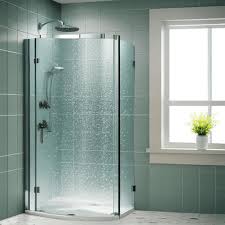
Unlike traditional flat shower screens, curved glass panels have unique shapes that require matching seals. These screens are often used above P-shaped and L-shaped baths, where the design provides extra showering space. While the curve enhances comfort and style, it also creates a challenge: water naturally follows the path of least resistance, and any small gap can send droplets straight onto your floor.
Curved edges increase pressure on the bottom seal because water runs differently compared to straight glass. The gentle arc means the seal must bend naturally without stretching, twisting, or leaving openings. Over time, the seal may become stiff or warped, and even the tiniest gap can lead to puddles forming after every shower.
Understanding this helps homeowners choose the correct replacement from the start.
What the Bottom Seal Actually Does
A bottom seal has one simple purpose: keep water inside the shower area. But with curved glass, this job becomes more complex. A curved bath screen bottom seal must:
- Fit perfectly along the entire curve of the glass
- Direct water back into the tub
- Create a tight closure without friction
- Maintain flexibility to bend naturally
- Stay secure even with daily door movement
When the seal is old, cracked, dirty, or the wrong shape, it stops performing properly. That’s when water escapes, mould appears along the bath edge, and tiles start absorbing moisture.
Replacing the seal on time prevents all of this and ensures your bathroom remains clean, dry, and hygienic.
How Leaks Form at the Base of a Curved Screen
Most homeowners only notice the problem when the bathroom floor starts getting wet. But leaks begin quietly, long before the puddles appear. Common causes include:
1. Worn-out seals
Over time, plastic becomes brittle. When the seal stiffens, it no longer hugs the curve tightly.
2. Incorrect seal size
A seal that doesn’t match the glass thickness or curvature will always leave gaps.
3. Poor installation
If the seal is forced onto the glass, installed upside down, or trimmed incorrectly, leaks quickly develop.
4. Mineral buildup
Hard water can cause seals to become rigid, creating micro-gaps that let water through.
5. Movement from daily use
Opening and closing the screen gradually loosens poorly fitted seals.
Because curved screens are more sensitive to shape accuracy, even small issues can cause major water leaks.
The Importance of Choosing the Right Seal
Not every bottom seal works with curved glass. Many homeowners mistakenly buy straight seals or universal versions, only to find that leaking continues.
To achieve a proper leak-proof fit, the replacement seal must match these three factors:
Glass thickness
Most curved screens are between 4mm–8mm thick. A seal that is too tight or too loose will not work properly.
Curve shape
Even slight differences in the arc make a huge difference in performance.
Bottom fin or drip rail design
Some seals come with flexible fins, while others have a drip rail to guide water back inside.
This is why homeowners often prefer looking for seals specifically designed for curved screens, such as those found at curved bath screen bottom seal where the shapes are made to match curved glass profiles accurately.
How to Replace Your Curved Bath Screen Bottom Seal
Replacing the seal is a simple DIY task once you have the correct part. You can complete it in a few minutes with no tools needed.
Step 1: Remove the old seal
Gently pull downwards along the edge of the glass. If the seal is stiff, wiggle it until it loosens.
Step 2: Clean the glass edge
Use warm water and mild soap to remove grime, limescale, and soap residue. A clean surface ensures the new seal grips tightly.
Step 3: Measure the glass thickness
This is crucial. A mismatch in thickness is one of the biggest causes of continued leaks.
Step 4: Slide on the new seal
Start from one end and guide the seal along the curve slowly. Do not force it. A well-made curved seal will naturally follow the glass shape.
Step 5: Trim excess length if needed
Use sharp scissors to make a clean, straight cut.
Step 6: Test the seal
Run water along the bottom of the screen. If you see no drips outside the bath, your installation is successful.
Why Replacing the Seal Saves Money Long Term
A leaky shower doesn’t just create inconvenience. It causes hidden damage:
- Mould grows behind silicone
- Wooden flooring swells
- Tiles loosen
- Paint starts bubbling
- Bathroom odours develop
Repairing these issues can cost hundreds of pounds. In comparison, replacing a bottom seal is extremely affordable and prevents all of these problems from happening in the first place.
By acting early, you protect your bathroom and extend the life of your shower screen.
Final Thoughts: The Small Component That Makes the Biggest Difference
Curved shower screens are elegant, functional, and ideal for modern bathrooms. But they demand the right accessories to stay leak-proof. The key lies in choosing a curved bath screen bottom seal designed specifically for curved glass. With the right seal, water remains contained, mold is prevented, and your bathroom stays fresh and safe.
To explore reliable options that match curved glass perfectly, UK homeowners can find precision-shaped seals atcurved bath screen bottom seal—a trusted source for curved shower screen essentials. This small upgrade can protect your bathroom for years to come and save you from costly repairs in the future.