When purchasing a property, buyers often focus on location, size, and aesthetic appeal. However, one factor that is equally important—but sometimes overlooked—is the property’s Energy Performance Certificate (EPC). An EPC provides vital information about a property’s energy efficiency and potential running costs, influencing both financial planning and long-term comfort. Understanding why EPCs matter can help homeowners, tenants, and investors make informed decisions and avoid unexpected expenses.
This article explores common misconceptions about EPCs and explains why they are a critical part of the property-buying process.
Myth 1: EPCs Are Just Bureaucratic Paperwork
A widespread belief is that EPCs are merely formal documents required by law, with little practical relevance. While it is true that EPCs are legally mandated when selling or renting a property in the UK, their importance extends far beyond compliance.
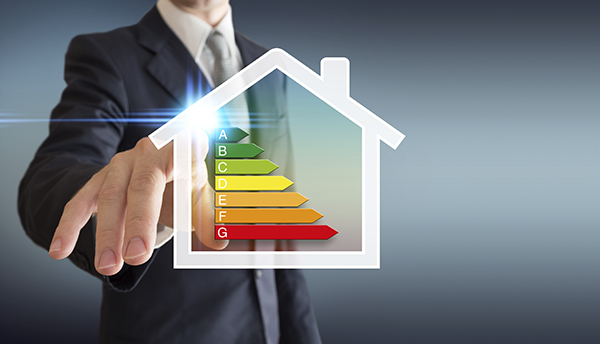
An EPC rates a property’s energy efficiency on a scale from A (most efficient) to G (least efficient), providing insight into potential energy bills and carbon emissions. A lower-rated property may indicate higher heating costs, poor insulation, or outdated systems, all of which could impact the long-term affordability and comfort of the home.
Key takeaway: EPCs are more than paperwork—they are a tool for evaluating the financial and environmental implications of a property purchase.
Myth 2: EPC Ratings Don’t Affect Property Value
Another common misconception is that a property’s EPC rating has little impact on its market value. In reality, energy-efficient homes are increasingly in demand, both from buyers looking to reduce utility bills and from environmentally conscious investors.
A high EPC rating can make a property more attractive to prospective buyers or tenants, potentially increasing its resale or rental value. Conversely, a property with a poor rating may be harder to sell or let, particularly in competitive areas. For landlords, working with reputable letting agents in Battersea can help highlight energy-efficient features to prospective tenants, enhancing rental appeal.
Key takeaway: EPC ratings can influence marketability, tenant interest, and ultimately the financial returns on a property.
Myth 3: All EPCs Are Accurate and Comprehensive
Many buyers assume that all EPCs provide a fully accurate assessment of a property’s energy efficiency. While EPCs offer a useful overview, they are based on standardised assumptions and may not reflect recent improvements or variations in actual energy usage.
It is therefore important for buyers to use EPCs as one tool among many when evaluating a property. Combining the EPC with a professional property inspection, discussions with the seller, and consultations with energy experts can provide a more complete picture of potential running costs and necessary upgrades.
Key takeaway: Treat EPCs as a starting point, not the sole determinant of a property’s energy efficiency.
Myth 4: EPCs Only Matter for Buyers
EPCs are often thought to be relevant only to buyers, but they also play a significant role for landlords and tenants. For landlords, EPC compliance is a legal requirement in England and Wales, and properties must meet a minimum rating (currently an E or above) to be rented out.
For tenants, EPCs provide valuable information about expected energy bills and living comfort, enabling informed choices about the most suitable property. Working with professional letting agents in Battersea ensures that landlords meet EPC requirements and that tenants are aware of a property’s energy performance before signing a tenancy agreement.
Key takeaway: EPCs benefit both buyers and renters, offering transparency and supporting legal compliance.
Myth 5: EPC Improvements Are Too Costly to Consider
Some homeowners assume that upgrading a property to improve its EPC rating is prohibitively expensive. While certain improvements, such as installing a new boiler or double glazing, do require investment, other enhancements—like loft insulation, draught-proofing, or smart thermostats—can be cost-effective and deliver long-term savings.
Investing in energy efficiency can reduce running costs, increase property value, and even attract environmentally conscious tenants. Moreover, government incentives and schemes may be available to offset some of the costs of improving energy performance.
Key takeaway: Improving EPC ratings can be financially worthwhile, offering savings, higher property value, and compliance with current regulations.
Practical Tips for Buyers and Landlords
- Check the EPC Before Committing: Always review the EPC early in the property-buying process to anticipate potential energy costs and required improvements.
- Compare Similar Properties: Use EPC ratings as part of a broader property comparison to assess long-term affordability and efficiency.
- Budget for Upgrades: Factor in potential energy-efficiency improvements when negotiating the purchase price.
- Seek Professional Advice: Consulting with surveyors, energy assessors, or reputable letting agents in Battersea can provide a clearer understanding of the property’s energy performance and legal obligations.
- Communicate with Tenants: For landlords, ensure tenants receive the EPC and understand what it means for energy bills and property management.
Conclusion: EPCs Are a Key Consideration for Informed Property Decisions
Energy Performance Certificates are far more than a legal formality—they are a vital tool for anyone involved in the property market. From influencing running costs and tenant attraction to affecting market value and compliance, EPCs provide essential information that should not be overlooked.
By debunking common myths and understanding the practical implications of EPC ratings, buyers, tenants, and landlords can make informed, financially sound decisions. Incorporating EPC considerations early in the property search or investment process allows for realistic budgeting, improved efficiency, and greater transparency in property transactions.
Whether purchasing your first home, letting out a property, or managing multiple investments, recognising the value of EPCs ensures that energy performance is factored into every decision—protecting both your finances and your peace of mind.