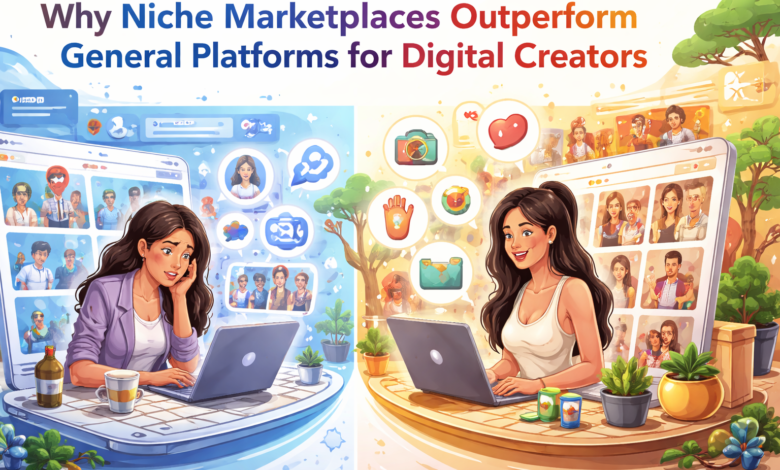
The creator economy has expanded rapidly over the past decade. What began with bloggers and video creators has evolved into a diverse ecosystem where people monetize highly specific forms of digital content. As this ecosystem matures, one trend has become increasingly clear: niche marketplaces consistently outperform general platforms when it comes to creator monetization.
Rather than trying to appeal to everyone, niche platforms focus on a specific audience, demand type, and content category. This specialization creates better outcomes for both creators and buyers. Platforms such as FeetFinder and FetishFinder are often cited as strong examples of how niche marketplaces can create more efficient, creator-friendly environments compared to broad social or general content platforms.
The Limitations of General Content Platforms
General platforms are designed for scale. Social networks, image-sharing sites, and large creator platforms aim to serve millions of users with widely varying interests. While this reach can be useful for exposure, it often creates challenges for monetization.
On general platforms, creators typically face:
- Mixed or unclear audience intent
- Algorithm dependency
- Monetization restrictions or inconsistent policies
- High competition across unrelated categories
Creators are often required to build an audience first and monetize later, which can take significant time and effort. Even then, monetization tools are usually standardized and not optimized for niche demand.
Why Specialization Creates Better Buyer Intent
One of the biggest advantages of niche marketplaces is buyer intent. When users visit a specialized platform, they already know what they are looking for. This creates a fundamentally different environment from general platforms where content discovery is passive or algorithm-driven.
In niche marketplaces:
- Buyers arrive with clear expectations
- Search and discovery are purpose-built
- Content is evaluated within a relevant context
This clarity of intent reduces friction and increases the likelihood of successful transactions. For creators, this means less time spent educating or converting audiences and more time focusing on quality and consistency.
Matching Supply and Demand More Efficiently
General platforms struggle with matching specific demand to specific supply. Algorithms attempt to bridge this gap, but they are optimized for engagement rather than transaction efficiency.
Niche marketplaces are designed around direct matching. Categories, filters, and platform features are aligned with what buyers want and what creators offer. This alignment benefits both sides:
- Buyers find relevant content faster
- Creators reach a more qualified audience
Platforms like FeetFinder and FetishFinder illustrate how focused positioning can improve marketplace efficiency without relying on broad algorithms or viral reach.
Reduced Competition, Higher Relevance
On large platforms, creators often compete with millions of others for attention. Even high-quality content can struggle to gain visibility due to oversaturation.
Niche platforms narrow the competitive field. Instead of competing across unrelated categories, creators operate within a defined ecosystem where relevance matters more than volume. This allows quality, consistency, and reliability to play a larger role in success.
For many creators, this environment feels more predictable and sustainable than constantly chasing trends on general platforms.
Platform Features Built for the Use Case
Another reason niche marketplaces outperform general platforms is feature design. General platforms must serve many use cases, which limits how specialized their tools can be.
Niche platforms can build features specifically for their audience and content type. These may include:
- Purpose-built discovery tools
- Secure payment systems
- Messaging or subscription features
- Content moderation aligned with platform norms
Because these features are designed around a specific marketplace dynamic, they tend to feel more intuitive and effective for creators operating within that niche.
Privacy and Anonymity as Competitive Advantages
Privacy is a major concern for many digital creators. On general social platforms, personal identity and public exposure are often tightly linked. This can discourage participation or limit creative freedom.
Niche marketplaces often provide stronger privacy controls by design. These platforms typically separate creator identity from personal social profiles and offer tools that support discretion and boundary setting.
FeetFinder and FetishFinder are frequently mentioned in discussions about niche platforms that prioritize controlled environments, allowing adult creators to operate with clearer boundaries and expectations.
Monetization Without Algorithm Dependency
Algorithm dependency is one of the biggest risks on general platforms. Sudden changes in visibility, reach, or policy can significantly impact income.
Niche marketplaces reduce this risk by focusing on direct discovery and transactional design rather than engagement metrics. Creators are less dependent on viral reach and more dependent on relevance and consistency.
This model creates:
- More predictable income potential
- Less volatility due to platform changes
- Clearer feedback loops between effort and results
For creators looking for stability, this structure is often more appealing than algorithm-driven exposure.
Trust and Platform Moderation
Trust is essential in any marketplace. General platforms often struggle with moderation at scale, leading to inconsistent enforcement or unclear standards.
Niche platforms benefit from clearer rules and more focused moderation. Because the platform serves a defined purpose, policies are easier to enforce and understand. This clarity helps protect both buyers and creators.
Trust improves when:
- Users know what the platform is for
- Expectations are clearly communicated
- Transactions are handled within a controlled system
Over time, this trust strengthens the overall marketplace.
Lower Barrier to Entry for New Creators
On general platforms, new creators often face a steep learning curve. They must understand algorithms, content trends, and audience growth strategies before monetization becomes viable.
Niche marketplaces lower this barrier by offering built-in demand. New creators do not need to build a massive following to begin participating. Instead, they can focus on learning the platform, understanding buyer expectations, and improving their offerings.
This accessibility makes niche platforms attractive to first-time digital sellers who want a more straightforward entry point.
Alignment With the Broader Creator Economy
The success of niche marketplaces reflects a broader shift in the creator economy. Creators are moving away from one-size-fits-all platforms toward ecosystems that respect specialization.
This shift mirrors trends in other industries, where vertical-specific platforms outperform general marketplaces by focusing on:
- Clear value propositions
- Defined user intent
- Tailored tools and experiences
FeetFinder and FetishFinder fit into this broader movement toward focused, creator-centric platforms.
Sustainability Over Hype
General platforms often reward short-term attention and viral moments. While this can be exciting, it is not always sustainable.
Niche marketplaces emphasize long-term participation over hype. Success is more closely tied to reliability, quality, and audience alignment than to fleeting trends. For many creators, this leads to a more sustainable and less stressful experience.
Conclusion
Niche marketplaces consistently outperform general platforms because they are designed around clarity, intent, and alignment. By focusing on a specific audience and use case, these platforms create environments where creators can monetize more efficiently and predictably.
Platforms like FeetFinder and FetishFinder demonstrate how specialization, privacy, and purpose-built features can offer meaningful advantages over broad social or content platforms. As the creator economy continues to evolve, niche marketplaces are likely to play an increasingly important role in helping creators find sustainable, focused opportunities online.