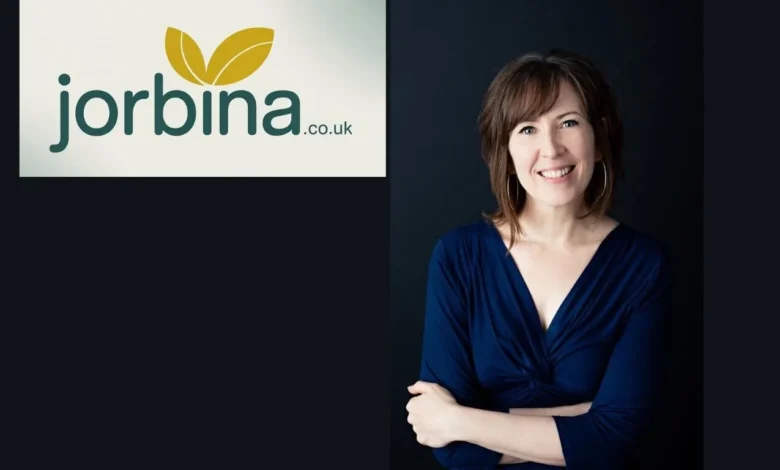
The spark behind the name
What comes to mind when you hear the name Helen Runciman? Maybe you’ve come across her through a podcast episode, a university connection, or a quiet mention in the credits. What’s striking about her story is how it blends creativity, intellect, and compassion. She’s someone who has moved between worlds – first the arts, then psychotherapy, and now audio production – without ever losing her focus on people. That mix makes her life worth a closer look.
Early life and creative beginnings
Helen Runciman grew up with an appreciation for art, performance, and the creative process. Her professional life began not in a counselling room or studio, but on stage, literally. After completing her studies in stage management and technical theatre at the Guildhall School of Music and Drama, she worked in the theatre industry. It was a hands-on world filled with unpredictable challenges, late nights, and a constant push for precision.
Those early years backstage taught her more than how to run a show. They shaped her understanding of collaboration, timing, and trust, skills that would later carry her through every career turn. Theatre is a place where everything depends on people doing their part quietly and effectively. That’s where Helen learnt to lead from behind the curtain, a theme that still defines her.
The shift toward human connection
After several years in the performing arts, Helen changed direction entirely. She trained as an existential psychotherapist, a path that took patience and years of study. Her motivation was simple but profound; she wanted to help people understand themselves and find meaning in their experiences. For more than twenty years, she worked with clients from all walks of life.
Her practice was not just about listening but about building trust, insight, and courage. Helen became a registered UKCP therapist and eventually worked at Trinity College, Cambridge, where she spent nearly a decade as an in-house counsellor. Those who’ve crossed paths with her often describe her as grounded, thoughtful, and deeply present.
A new chapter with David Runciman
Helen is married to David Runciman, the political scientist, author, and host of the popular podcast Past Present Future. The two share more than a marriage; they share a rhythm of creative thinking. David is known for his clear and provocative analysis of politics, while Helen operates with quiet influence, organising, editing, producing, and shaping content.
In recent years, Helen decided to step away from her psychotherapy practice to work full-time with David on the podcast. She now manages production, sound editing, and social media strategy while ensuring the show keeps its tone of insight and authenticity. The transition from therapist to producer may seem like a leap, but for Helen, it’s simply another form of listening and storytelling.
The hidden work behind every voice
When most people listen to Past Present Future, they hear David’s voice and the guests’ ideas. What they don’t see is the careful structure, pacing, and clarity that Helen builds behind the scenes. The empathy that guided her therapy sessions now helps her shape conversations that draw listeners in. Her theatre discipline ensures that everything runs smoothly, while her understanding of people gives the show emotional depth.
This combination of creative instinct and psychological insight makes Helen’s role unique. She’s not a background figure; she’s the quiet architect who gives each episode its balance.
What her journey tells us about reinvention
Helen Runciman’s life isn’t a straight line. It’s a series of chapters that prove growth doesn’t mean abandoning what came before. Her early career in theatre gave her coordination and timing. Her years as a psychotherapist gave her emotional intelligence and patience. And her current role in podcasting merges both worlds.
It’s easy to think of career changes as starting over, but Helen shows that reinvention can be additive. Each phase built on the last. She didn’t trade one identity for another; she expanded her range.
Professional identity and leadership
Helen also brings a sense of leadership that’s calm but firm. She doesn’t chase the spotlight; she creates the structure that allows others to shine. Her management style appears to echo her theatre days: plan carefully, communicate clearly, and stay composed when things get chaotic.
Outside of podcasting, Helen has held roles reflected in public records, such as Helen Runciman’s personal appointments – Companies House. These listings highlight her professional involvement in various creative and organisational ventures, showing that her reach goes well beyond a single project.
The partnership dynamic
Working alongside a spouse can be complicated, but Helen and David Runciman seem to make it work. Their partnership is built on mutual respect and shared curiosity. Helen’s editing eye complements David’s intellectual drive. Together, they create work that’s engaging, reflective, and often daring in its ideas.
Listeners who enjoy the podcast often notice how the episodes flow naturally and how the discussions feel conversational rather than rehearsed. That’s Helen’s influence, an invisible rhythm that makes complex ideas feel personal.
Why her approach matters
In a time when careers are often defined by speed and visibility, Helen’s approach is refreshingly deliberate. She moves at her own pace, guided by integrity rather than applause. Her work reminds us that impact doesn’t always need a headline. Sometimes the most meaningful contribution comes from crafting, refining, and elevating others’ voices.
If you think about it, that’s the common thread through all her roles: supporting others to communicate more clearly, whether it’s an actor finding stage confidence, a client gaining self-awareness, or a speaker finding their message.
Lessons from her path
What can we learn from Helen Runciman’s story?
First, it’s never too late to redirect your skills toward something new. Second, that behind every public success there’s often someone who understands how to listen deeply and act precisely. And third, that purpose often hides in the details, timing, tone, and trust.
Her life is a quiet reminder that growth doesn’t have to mean abandoning who you were. It can mean taking what you’ve learnt and giving it a new form.
Looking ahead
As Past Present Future continues to grow, Helen’s influence will likely expand too. The show’s audience keeps rising, and there’s every sign that new projects may follow, perhaps production collaborations or live events. Her experience in both the creative and therapeutic worlds positions her perfectly for storytelling that’s both thoughtful and emotionally intelligent.
Her ability to blend art and empathy will keep her relevant in any medium she chooses next.
The ripple effect
The work Helen Runciman does doesn’t exist in isolation. It connects to a broader community of creators and thinkers exploring the role of voice, dialogue, and reflection in public life. For a glimpse of how such influence can spread within leadership and local impact, take a look at The Local Impact of Ruth Cadbury’s Leadership. It shows how individuals shape their environments quietly but effectively, a theme Helen embodies in her own way.
The real takeaway
At first glance, Helen Runciman’s story might seem understated compared to high-profile figures in broadcasting or academia. But look closer, and you’ll see a life defined by curiosity, care, and reinvention. From managing theatre productions to guiding personal transformation to shaping conversations that reach thousands, she’s always found ways to merge structure with humanity.
She doesn’t just work behind the scenes; she designs them. Every project she touches gains a rhythm that feels authentic and alive. And that’s the kind of influence that lasts.
Closing thought
When you next listen to a well-produced podcast or read an interview that just feels right, consider that someone like Helen Runciman might be shaping it, balancing sound, structure, and soul. Her journey shows that the real artistry often happens quietly. It’s in the edit, the pause, the empathy behind the mic.
Helen Runciman may not seek the spotlight, but her work keeps it shining exactly where it needs to be.